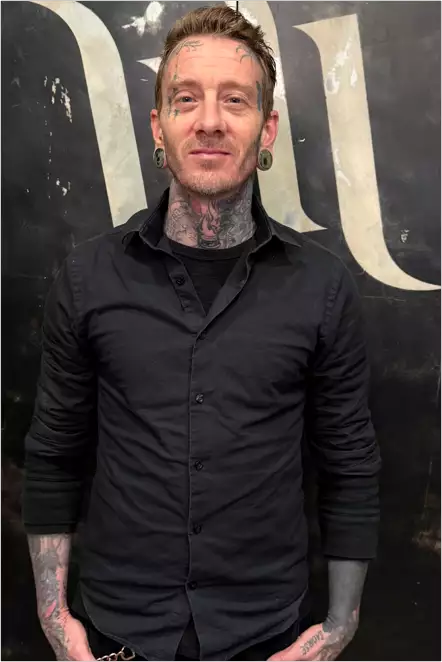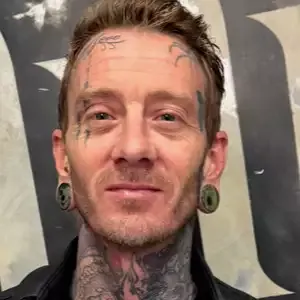
Colin Orion has never once thought of himself as someone who became an artist.
"I don't remember when art entered my life, because it's always been there. Since I had motor skills, I was making marks with intent."
His mom told him he was an artist before he could write his own name. He believed her. By the time other kids were figuring out what they wanted to be when they grew up, Colin was already something.
"You believe what you hear early on. I never considered a reality where I wasn't one. That removed any kind of imposter syndrome."
"Artist wasn't something I ever wanted to become. It was always something I already was."
He grew up in Fort Myers, Florida, and left with a restlessness that eventually dropped him in Nashville — a city that, unlike others, actually made him want to stay.
Art was always the constant. In high school he started taking it seriously. Studying painters. Figuring out who he admired and why. After school came the harder question: what do you do with this?
"The path goes one of a few ways. You work for Disney or Pixar. Maybe comics. Or tattoo. Tattoo is what happened."
The first time he sat down in a shop as a client, something clicked. It wasn't just the tattoo. It was the whole room.
"I saw what was happening. The steps the artist was taking. The environment. I realized that artist could mean more than the guy in a beret. These people were more like pirates. I loved that. I decided right there that's what I wanted to be."
He tried for a proper apprenticeship. It didn't come. So he taught himself, using the arms and legs of friends willing to be practiced on. The agreement was simple: one day he'd come back and fix anything that went wrong. He did. Plenty of cover-ups, eventually.
"A slightly more punk rock beginning than some. I own it just the same."
He went professional in 2009 at a shop in Orlando owned by Tarik — the same Tarik who now works at Hart & Huntington Nashville. The place was full of people who weren't green anymore, and Colin was. That was the whole challenge.
"I sucked, and I needed to unsuck quickly."
Teaching yourself means teaching yourself a lot of the wrong things. The early work was unlearning. Bad habits out, good habits in, absorbed by watching and listening to artists who had already been through it.
One of the first real lessons was that there are many right ways to do the same thing.
"One person tells you always ride the tube. The next person tells you always float the needle. Those two things contradict each other. But both can be useful."
That lesson stuck. While a lot of artists from his generation picked a corner — this is my style, this is all I do — Colin learned versatility out of necessity. Over time, that became a strength.
His parents weren't sold at first. They hoped it was a phase.
"After about five or six years, when I was still taking it seriously, still trying to improve, I think it finally landed with them. This wasn't a job. It was a career."
Eventually his dad got a tattoo. From Colin.
"I was never going to get a real apology. But that was his way."
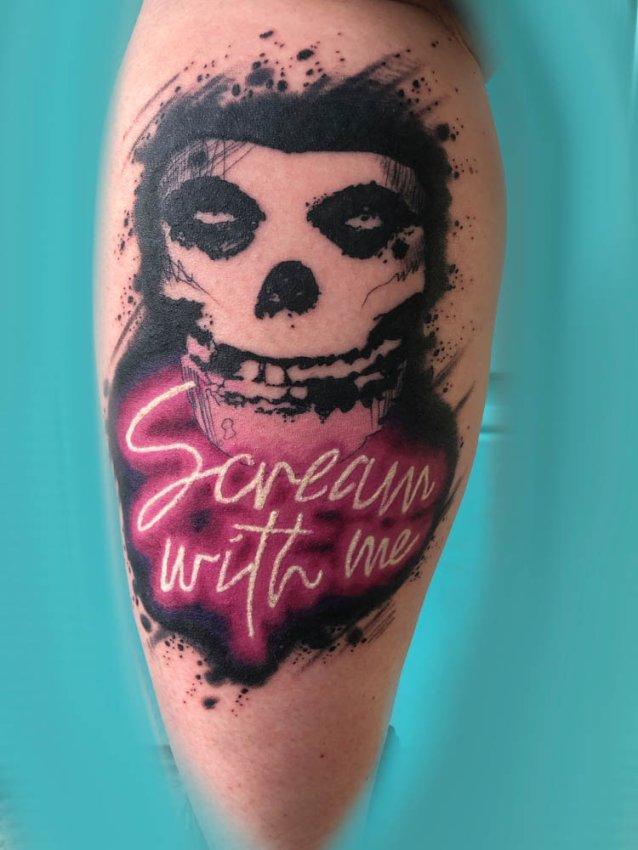
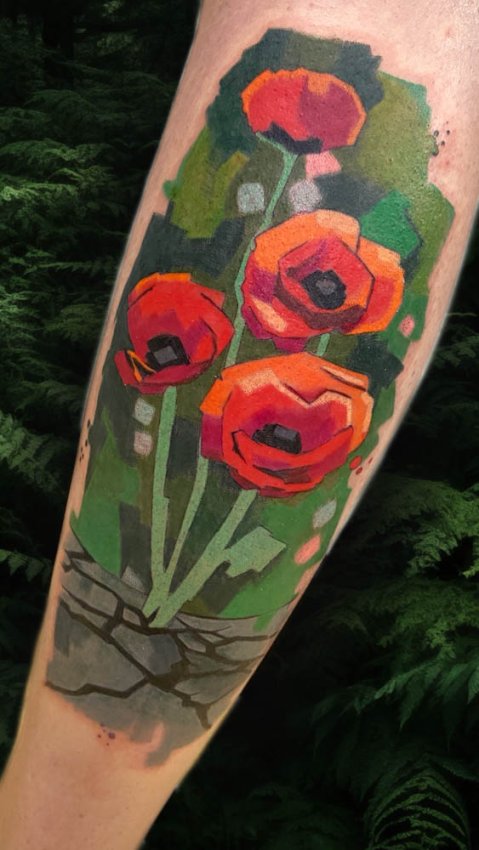
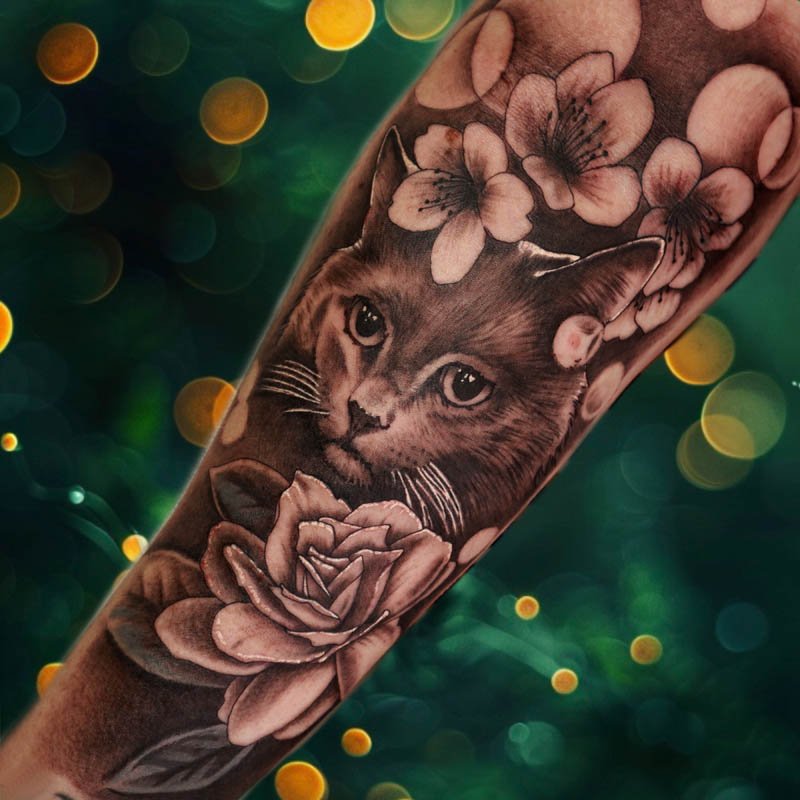
The work itself leans toward black and gray — a holdover from years of pencil and charcoal on paper. He admires artists like Robert Borbas and Anrij Straume, whose tattoos look like they could've been drawn in a sketchbook. Realism with an edge. A little creepiness. A little gore when the piece calls for it.
"Now you're really hitting the spot. That's the stuff I love."
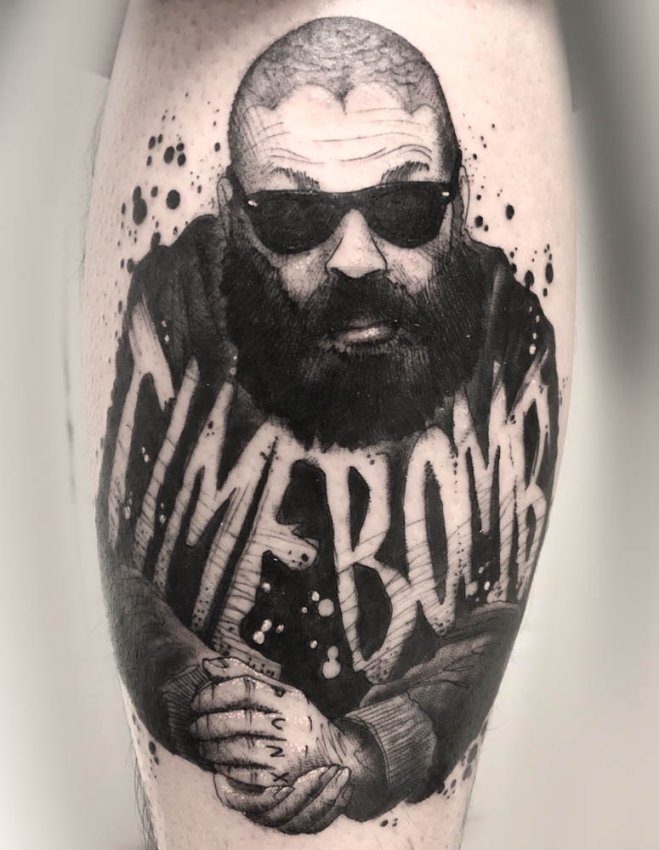
One of his favorite pieces was a portrait of Tim Armstrong from Rancid, tattooed on a friend who loved the band as much as he did. They listened to Rancid the whole session. After he posted it online, Armstrong himself saw it and left a comment.
"That felt like a big win."
But that isn't the moment Colin points to when you ask him why he does this. The moment he's chasing happens in the mirror, right after the tattoo is finished.
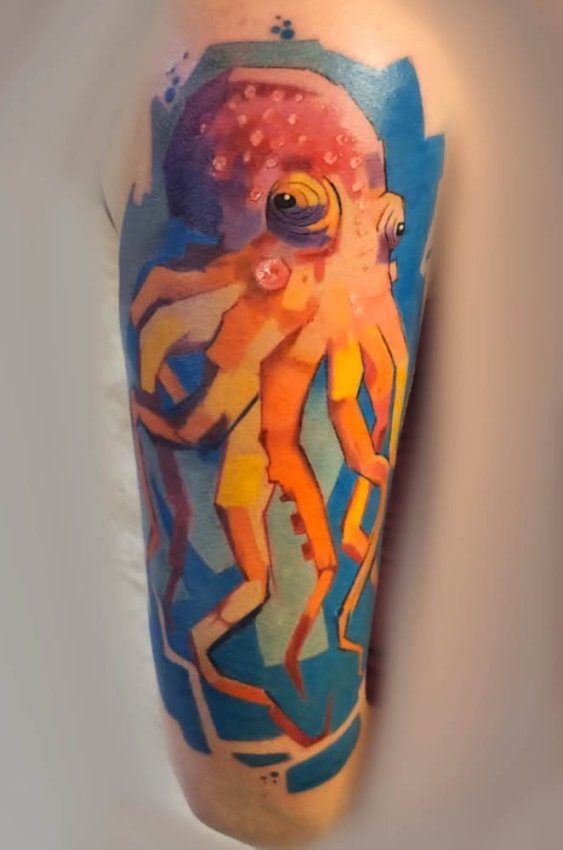
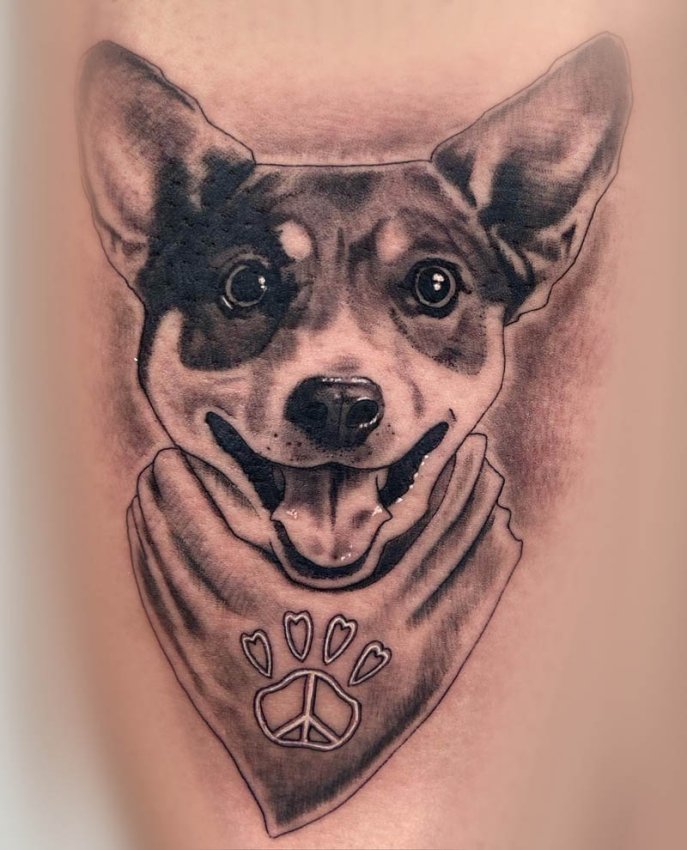
"You tell the client, go check it out. And you watch them lift their chin. Their chest comes out a little. The way they see themselves — what they think they are, what they think they deserve — it's different now. That's the reason I do this."
Ask him about misconceptions, and he goes straight to television. People come in thinking a back piece can be knocked out in a day because they saw one edited into a ten-minute segment. Part of the job is explaining, gently, that the drawing can be fast. The tattoo has to take its time.
It's a bigger point he's careful to make. Tattooing isn't what it used to be.
"It used to be reserved for sideshow carnies, bikers, criminals. Now there are TV shows. Millionaire tattooers. It's a different world. And that road wasn't paved overnight."
He wants apprentices — including his own daughter, who wants to follow him into the trade — to understand that. Respect the history. Respect what was done to get the craft to where it is.
He knew about Hart & Huntington the way everyone knows about Hart & Huntington. TV. Reputation. The big dog.
"In my head it was Metallica status. The big leagues. I always thought, one day, maybe I'll get to that level."
When he started researching the move to Nashville, he went looking for the biggest shop in town. Hart & Huntington had a location. Then he saw Tarik's name on the roster.
"No way. Okay. I'm definitely calling these guys. That sealed it. I didn't even consider another shop."
It has, in his words, been a dream. The thing he points to isn't the clients or the location. It's the feeling.
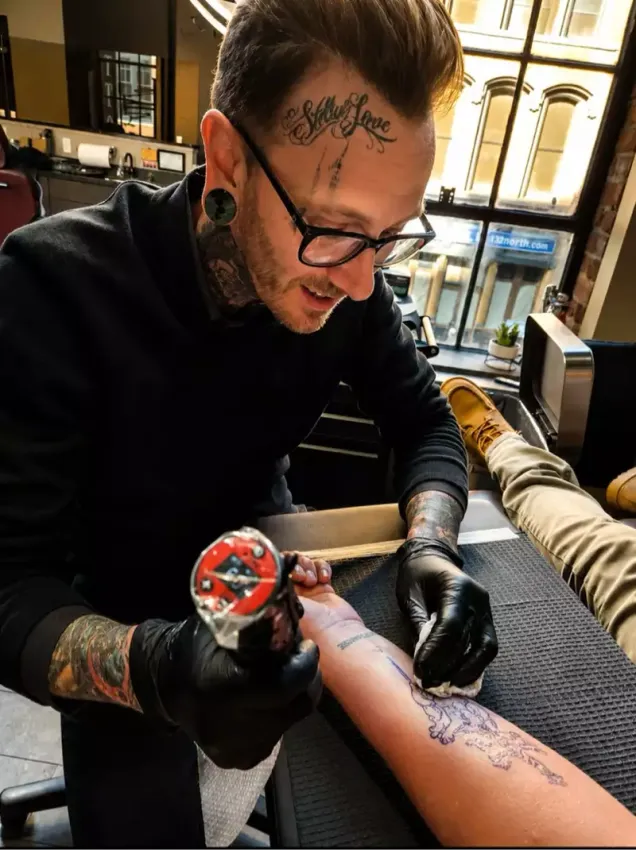
"It really does feel like I've been embraced by a family. To have that here, of all places, is a dream."
What keeps him going is a rule he keeps coming back to, the one he's already passing down to his daughter.
"The only person we need to be better than is ourselves yesterday. That's it. Just be better than you were yesterday."
He's tried to live by it his whole career. Not for a prize. Not for comparison. Just because.
"We are vehicles. And what vehicles do is move forward."